

Choosing the Right Toothbrush: Manual vs. Electric and What Really Matters
Contents
Manual vs. Electric Toothbrushes
What to Look for in a Manual Toothbrush
With store shelves crowded with countless toothbrush options–different shapes, sizes, colors, and technologies–it's easy to feel overwhelmed. But selecting the right toothbrush doesn't have to be complicated. What truly matters is brushing effectively and consistently, at least 2-3 times a day.
Manual vs. Electric Toothbrushes
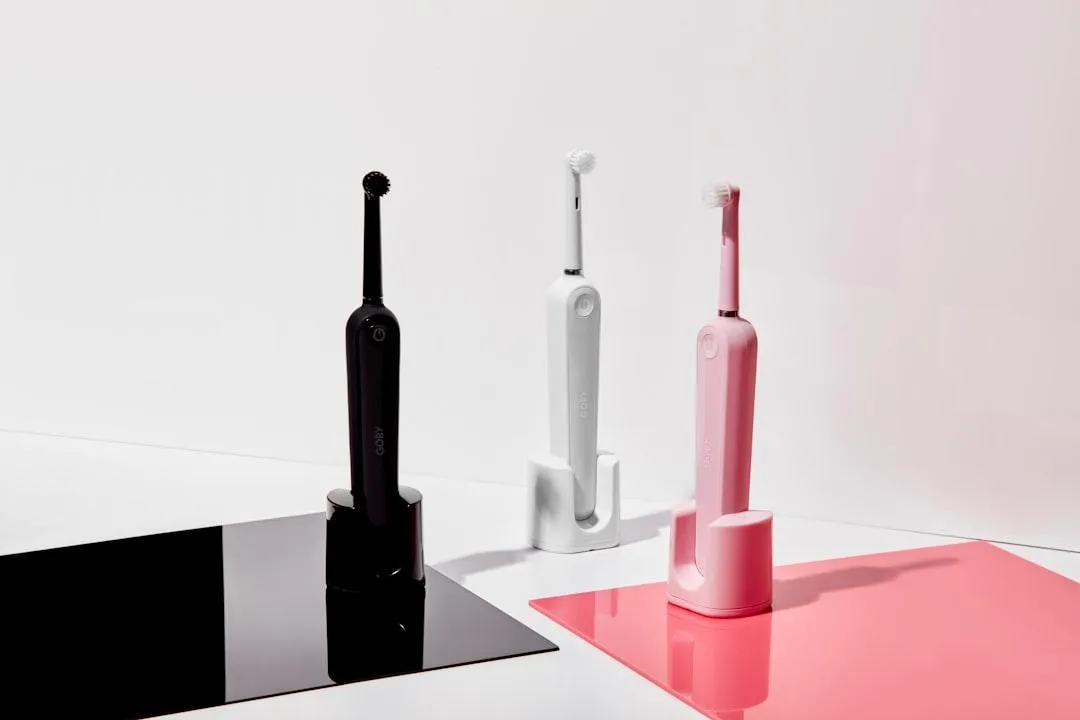
Our dental team highly recommends a mechanical (electric) toothbrush. Why?
The oscillating and pulsating action of electric brushes helps break up plaque more efficiently than manual brushing.
Most electric toothbrushes come with built-in timers, ensuring you brush for the full two minutes recommended by dental professionals.
Still, a manual toothbrush can be very effective—especially when used properly. It’s also a great backup to have when traveling or when batteries run out.
What to Look for in a Manual Toothbrush
If you’re opting for a manual toothbrush, choose one that meets these criteria:
Soft or very soft bristles – Gentle on gums and enamel
Rounded bristle tips – To prevent irritation and microtears
Compact head – To easily reach back molars and tight spaces
Comfortable handle – For a firm and ergonomic grip
Avoid hard-bristled brushes—they can cause gum recession and enamel wear over time.
Brushing Technique Matters Most
Regardless of your toothbrush choice, how you brush is just as important:
Brush for at least 2 minutes each session.
Use gentle, circular motions.
Don’t forget to brush your tongue, which harbors bacteria.
Replace your toothbrush (or electric brush head) every 3 months, or sooner if the bristles are frayed.
Need Personalized Toothbrush Advice?
Our team is happy to help you choose the best toothbrush based on your dental needs, gum sensitivity, or orthodontic appliances. Contact Redlands Town Dental today to schedule your checkup or consultation.