

Infection Control at the Dentist: What Patients Should Know
Infection Control
Personal Protective Equipment (PPE): A New Standard of Care
Sterilization and Instrument Protocols
Hand Hygiene: A First Line of Defense
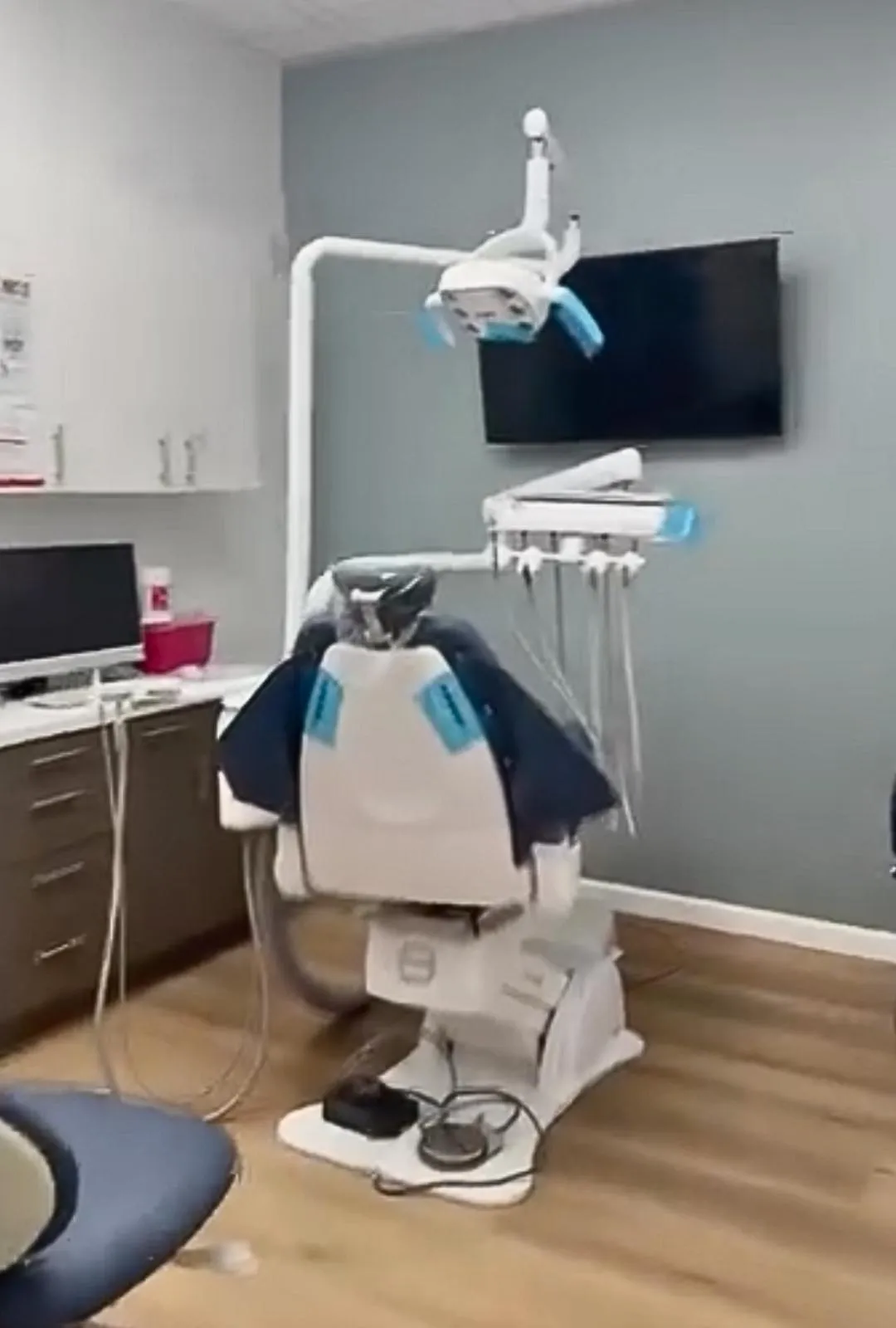
With rising awareness of health risks like HIV, hepatitis, and drug-resistant bacteria, patients often ask what steps dental offices take to ensure their safety. At our practice, we strictly follow–and often exceed–the infection control guidelines set by the CDC and the American Dental Association (ADA).
Personal Protective Equipment (PPE): A New Standard of Care
Just a few decades ago, fewer than one-third of dentists used gloves or masks. Today, PPE is mandatory in every licensed dental practice.
You can expect our clinical team to wear:
Gloves
Masks
Protective eyewear
Gowns or lab coats
After each patient visit, all disposable PPE and materials—including gloves, needle tips, and scalpel blades—are discarded. A new set is used for the next patient.
Sterilization and Instrument Protocols
Every tool and instrument used in patient care is:
Washed
Disinfected
Sterilized using chemical solutions or steam autoclaves
We use single-use items when possible, and reusable instruments are sterilized after each use to eliminate any risk of cross-contamination.
Hand Hygiene: A First Line of Defense
Handwashing remains one of the most effective ways to prevent disease transmission. Our team:
Washes hands at the start of each day
Re-washes before and after each patient
Washes after removing gloves or touching potentially contaminated surfaces
It’s simple, essential, and part of our daily protocol.
Water Quality and Dental Biofilms
You may have heard concerns about biofilms—thin layers of bacteria that can form in dental unit water lines. While they exist in many places (including your kitchen faucet), no scientific studies have shown a link between dental biofilms and disease in healthy patients.
Still, we:
Maintain our water systems using CDC and ADA-approved cleaning protocols
Regularly monitor water quality
Use sterile solutions or water filtration systems when necessary
Special Considerations for Immunocompromised Patients
If you have a weakened immune system or are undergoing chemotherapy, organ transplant, or immune-suppressing therapy, please notify our team in advance. We’ll take extra precautions to ensure your treatment is both safe and effective.
Your safety is our top priority. Contact our office today if you have questions about our infection control practices—or to let us know about any medical conditions that require special precautions.