

Jaw Disorders and TMD: Causes, Symptoms, and Treatment Options
Jaw Disorders
What Is the Temporomandibular Joint?
Symptoms of Jaw Disorders and TMD
If you frequently wake up with jaw pain, headaches, or hear clicking sounds when you chew or speak, you might be suffering from a jaw disorder. One of the most common is temporomandibular joint disorder (TMD)–a condition that affects the joint connecting your lower jaw to your skull.
TMD can range from mild discomfort to serious jaw dysfunction, and early diagnosis is key to effective relief.
What Is the Temporomandibular Joint?
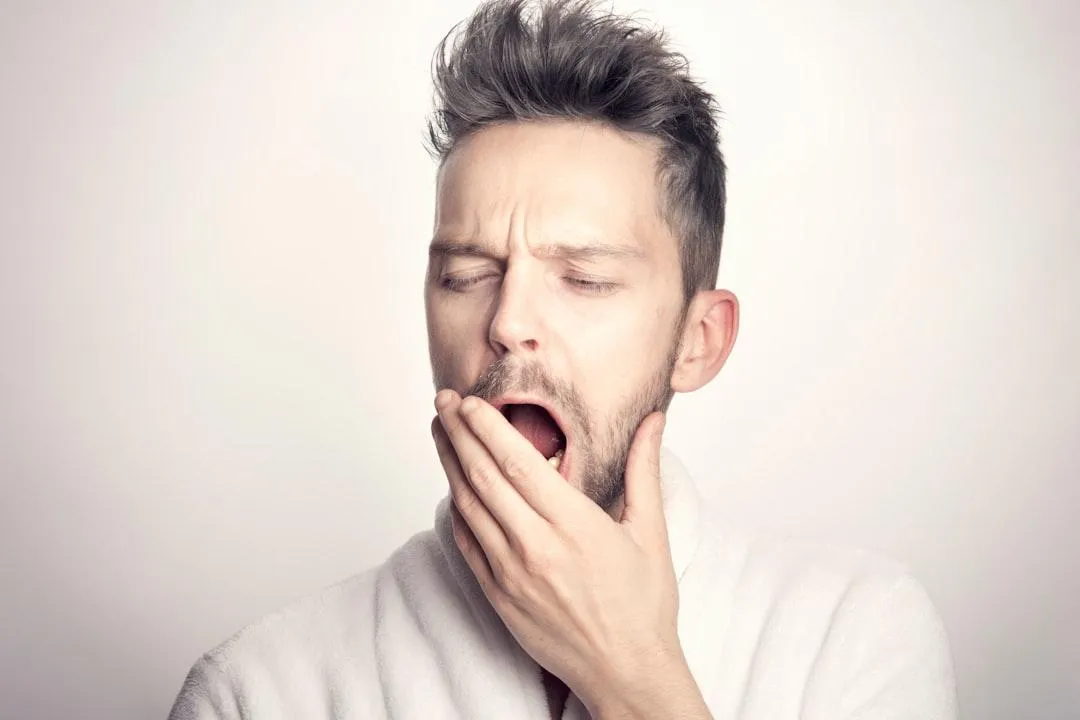
The temporomandibular joint (TMJ) connects your lower jaw (mandible) to the temporal bone of your skull. It allows your mouth to open and close smoothly so you can chew, speak, and yawn. Because the joint is so frequently used, even small problems can cause pain and stress in the jaw muscles, teeth, and surrounding tissues.
What Causes TMD?
One of the most common causes is teeth grinding or clenching (also known as bruxism), which can put excessive pressure on the TMJ and surrounding muscles.
Other potential causes include:
Jaw injury or trauma
Arthritis
Improper bite alignment
Stress, which may lead to increased clenching
Symptoms of Jaw Disorders and TMD
TMD symptoms can vary widely. Common signs include:
Clicking or popping sounds when opening or closing the mouth
Jaw pain or tenderness
Frequent headaches or neck aches
Facial muscle stiffness
Tooth sensitivity or pain with no dental cause
Limited jaw movement or locking of the jaw
If you're experiencing these symptoms regularly, it’s time to schedule an evaluation.
Treatment Options for TMD
Treatment depends on the severity and cause of your symptoms. Options may include:
1. Lifestyle and At-Home Remedies
Avoid chewing gum or hard foods
Apply warm compresses to ease muscle tension
Stress management techniques to reduce clenching
2. Medication
Muscle relaxants or anti-inflammatory drugs
Over-the-counter pain relievers like aspirin or ibuprofen
3. Oral Appliances
Wearing a custom night guard or bite splint while sleeping can reduce pressure on the TMJ and prevent further damage from grinding.
4. Advanced Therapies
Biofeedback to improve jaw muscle control
Physical therapy
In severe cases: surgical intervention or joint realignment procedures
When to Seek Professional Help
While minor jaw discomfort often resolves with self-care, persistent symptoms should be evaluated by your dentist or a specialist. Untreated TMD can lead to long-term joint damage, chronic pain, or even permanent bite problems.
Experiencing jaw pain, headaches, or clicking sounds? Schedule a consultation today to find relief from TMD and restore your jaw health.